Trimble: GPS-Technologien und Vermessungslösungen
Trimble ist ein international tätiges Technologieunternehmen mit Sitz in den USA, das sich auf präzise Positionierungs-, Vermessungs- und Softwarelösungen spezialisiert hat. Seit mehreren Jahrzehnten entwickelt Trimble Systeme, die räumliche Daten erfassen, analysieren und in konkrete Arbeitsprozesse überführen. Die Technologien kommen unter anderem im Bauwesen, in der Landwirtschaft, in der Vermessung, im Transportwesen sowie im Geodatenmanagement zum Einsatz. Der Anspruch des Unternehmens besteht darin, komplexe Arbeitsabläufe durch präzise Daten, Automatisierung und digitale Vernetzung effizienter und nachvollziehbarer zu gestalten. Trimble versteht sich nicht als klassischer Hardwareanbieter, sondern als Systemlieferant, der Sensorik, Software und cloudbasierte Anwendungen miteinander kombiniert. Dadurch entstehen integrierte Lösungen, die Anwender über den gesamten Projektzyklus hinweg begleiten – von der Planung über die Umsetzung bis zur Dokumentation.

Von GPS-Pionierarbeit zur globalen Technologiemarke
Gegründet wurde Trimble 1978 von Charles Trimble im kalifornischen Sunnyvale. In den Anfangsjahren lag der Fokus klar auf GPS-Technologien, die damals noch überwiegend militärisch oder wissenschaftlich genutzt wurden. Trimble erkannte früh das Potenzial satellitengestützter Positionierung für zivile Anwendungen und entwickelte Systeme, die erstmals auch in Industrie und Wirtschaft praktikabel eingesetzt werden konnten. Im Laufe der Jahre erweiterte das Unternehmen sein Portfolio kontinuierlich. Neben GPS- und später GNSS-Systemen kamen Softwarelösungen für Datenverarbeitung, Projektsteuerung und Visualisierung hinzu. Durch gezielte Akquisitionen und eigene Entwicklungsarbeit erschloss Trimble neue Märkte, darunter Bauvermessung, Maschinensteuerung, Landwirtschaft und Geoinformation. Heute ist Trimble weltweit aktiv und arbeitet mit Kunden in zahlreichen Branchen zusammen.
Digitale Werkzeuge für Bau, Vermessung und Landwirtschaft
Ein zentrales Einsatzfeld von Trimble-Technologien ist das Bauwesen. Hier unterstützen die Systeme eine präzise Planung und Umsetzung von Infrastruktur- und Hochbauprojekten. Vermessungsgeräte, Maschinensteuerungen und BIM-fähige Softwarelösungen sorgen dafür, dass digitale Modelle direkt in die Ausführung übertragen werden können. Dadurch lassen sich Fehler reduzieren, Abläufe beschleunigen und Ressourcen gezielter einsetzen. Auch in der Landwirtschaft spielen die Lösungen eine wichtige Rolle. Automatisierte Lenksysteme, präzise Flächenvermessung und datenbasierte Ertragsanalysen ermöglichen eine effizientere Bewirtschaftung landwirtschaftlicher Flächen. Der Fokus liegt dabei nicht nur auf Produktivität, sondern auch auf einem verantwortungsvollen Umgang mit Boden, Wasser und Betriebsmitteln. Typische Anwendungsbereiche der Trimble-Technologien sind unter anderem:
- GNSS-gestützte Vermessung und Positionierung
- Maschinensteuerung und Bauautomatisierung
- BIM-basierte Planungs- und Ausführungsprozesse
- Präzisionslandwirtschaft und Flächenmanagement
- Geodatenanalyse und Kartierung
Beiträge zu Trimble auf Messe.TV
Präzise Vermessung und digitale Modelle von Baustellen
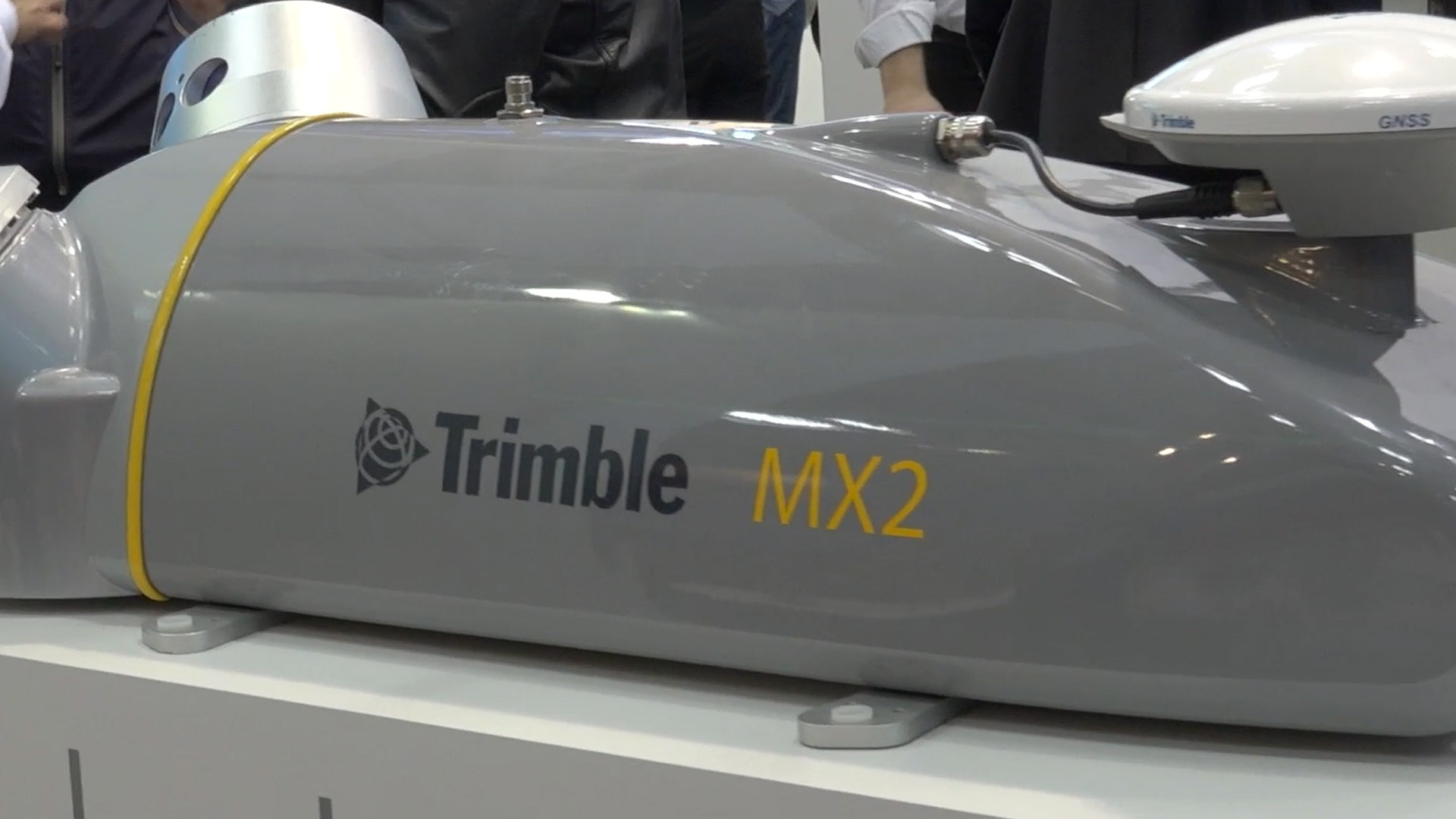
Baustellen werden immer größer, Projekte komplexer und die Anforderungen an Dokumentation und Vermessung steigen kontinuierlich. Drohnen und Flügelsysteme für die Vermessung
Software, Automatisierung und Datenintegration
Ein wesentliches Merkmal der Unternehmensstrategie ist die enge Verzahnung von Hardware und Software. Trimble entwickelt eigene Plattformen, die Daten aus unterschiedlichen Quellen zusammenführen und in nutzbare Informationen übersetzen. Cloud-basierte Anwendungen ermöglichen es, Projekte standortübergreifend zu steuern und aktuelle Daten in Echtzeit bereitzustellen. Dabei spielt Automatisierung eine zunehmend wichtige Rolle. Maschinen und Systeme reagieren auf präzise Positionsdaten und setzen Arbeitsschritte weitgehend selbstständig um. Für Anwender bedeutet das eine höhere Prozesssicherheit und eine bessere Planbarkeit komplexer Projekte.
Nachhaltigkeit und langfristige Effizienz
Trimble positioniert seine Technologien gezielt als Beitrag zu nachhaltigerem Wirtschaften. Durch präzise Planung, geringeren Materialeinsatz und optimierte Abläufe lassen sich Emissionen und Ressourcenverbrauch reduzieren. Besonders im Bauwesen und in der Landwirtschaft tragen datenbasierte Entscheidungen dazu bei, Umweltbelastungen zu minimieren und gleichzeitig wirtschaftlich zu arbeiten. Das Unternehmen investiert kontinuierlich in Forschung und Entwicklung, um seine Systeme weiter zu verbessern und an neue Anforderungen anzupassen. Mit der Kombination aus Präzision, Digitalisierung und Automatisierung bleibt Trimble ein zentraler Akteur für Branchen, in denen exakte Daten die Grundlage effizienter und nachhaltiger Prozesse bilden.
Messe-Berichterstattung bundesweit - Messewissen, Termine & Veranstaltungen


